Help Isom IGA recover from devasting floods
3 min read
Why Independent Grocers Can't Afford to Skip an IT Strategy
Written by IGA News
Oct 5, 2026
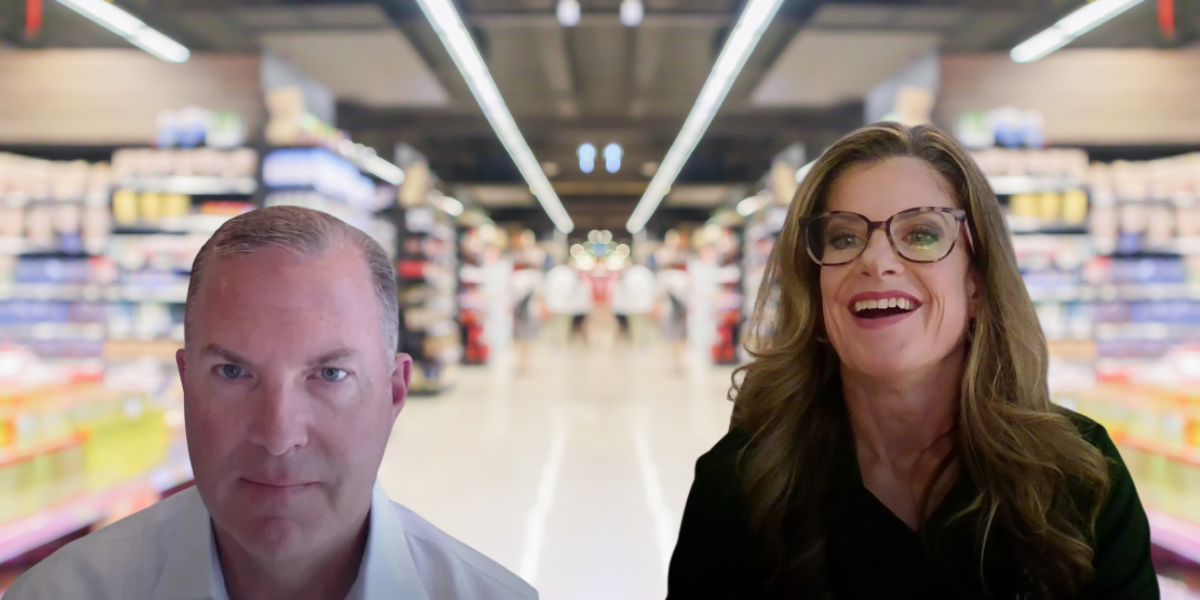
As IGA celebrates its centennial year, the mission that founded the organization in 1926 — helping independent grocers stay competitive — is more relevant than ever, especially when it comes to technology. That was the focus of IGA's latest webinar, The Importance of an IT Strategy and Roadmap, hosted by IGA Senior Director of Connected Commerce Sarah Rivers, with Columbus Consulting Principal Grocery Lead Craig Rosenblum.
Columbus Consulting, marking its own 25th anniversary, works with independent and regional grocers of every size, from a handful of stores to national wholesalers, to help them prioritize technology investments without breaking the bank. Rosenblum laid out why a clear IT strategy is no longer optional for independents, and how to build one with limited time, staff, and budget. Watch the webinar below or keep reading for a recap.
The Investment Gap Independents Are Up Against
The good news: independent grocers are investing in technology at roughly the same rate as major chains: about 1% of sales. The catch is what that 1% actually buys. For a retailer doing $1 billion in sales, 1% translates to about a $10 million technology investment. For a $500 million retailer, it's closer to $5 million. Compare that to the roughly $1.5 billion a company like Kroger or Walmart can put behind the same percentage, and the gap in absolute dollars is stark.
That reality means independents have to be more deliberate than anyone else about where every technology dollar goes, and in what order.
What NGA's 2026 Survey Found
Columbus Consulting's second annual survey with the National Grocers Association, fielded in the first half of 2026, points to a few clear patterns among independents:
- Point of sale, eCommerce, and merchandising planning remain the top areas of technology spend — foundational systems that still demand significant capital and staff time.
- Master data management is emerging as a critical investment, since clean, consistent data underpins everything from pricing to reporting.
- Many point-of-sale and ERP systems in use today are more than 10 years old, adding pressure to modernize.
- The top barriers are lack of technical expertise, limited staff capacity, and limited financial capital — and, just as important, the challenge of change management.
- AI adoption has accelerated sharply: where about half of independents were only experimenting with AI in 2025, nearly all respondents report using it in some form in 2026.
Stabilize First, Then Transform
Rosenblum's central message: before chasing the newest technology, make sure the foundation is solid. That means protecting core operations — cybersecurity, point of sale, financial systems, inventory scanning, and basic store hardware — before layering on “nice to have” investments like electronic shelf labels, retail media networks, or expanded loyalty programs.
He pointed to retail media networks as a cautionary example: buying a piece of technology doesn't automatically generate revenue. Retailers need a clear strategy, the right inventory, and dedicated funding behind their media programs — the technology alone isn't the payoff.
He also cautioned grocers to think carefully before outsourcing systems that touch shopper data. Retaining ownership of shopper and transaction data gives independents more control over personalization, loyalty, and long-term differentiation.
A Four-Step Approach to Building a Roadmap
Columbus Consulting's engagements with independent grocers, including Roche Bros and Neiman Foods, follow a consistent framework:
- Discovery: Understand current processes, tools, and key personnel across the organization. No two retailers operate exactly the same way.
- Alignment: Confirm that leadership agrees on priorities. Rosenblum noted that priorities often get lost or contradicted as they move through an organization.
- Future state: Define where the business needs to go, anchored to the retailer's go-to-market strategy and shopper value proposition, not just the latest trend.
- Gap analysis and roadmap: Identify what stands between current and future state, then sequence the work by cost, effort, and impact — including quick wins that can be tackled immediately.
According to Rosenblum, an engagement like this typically takes four to eight weeks and costs in the tens of thousands of dollars rather than hundreds of thousands — a scope built for independents, not just national chains.
Key Takeaways for IGA Grocers
- Audit your foundation first. Before adding new technology, confirm your point of sale, financial systems, inventory scanning, and cybersecurity are stable and reliable.
- Treat data as infrastructure. Push for one accurate source of truth across finance, merchandising, and operations, and hold wholesalers and DSD vendors accountable for the data they send you.
- Prioritize with your leadership team, not in a silo. Get explicit agreement on what gets funded first so IT decisions tie directly to your go-to-market strategy.
- Don't buy technology and expect ROI to follow automatically, especially for retail media and loyalty. Strategy and change management have to come with it.
- A roadmap engagement doesn't have to be a massive undertaking. A focused 4-8 week engagement can bring outside expertise without a heavy price tag.
IGA members can reach out to Sarah Rivers for more information on connected commerce resources, or watch the full webinar recording for Rosenblum's complete breakdown of the survey data and roadmap framework.
You May Also Like
These Stories on Feature Story

Sep 10, 2026, 11:30:40 AM |
2 min read

Sep 10, 2026, 10:31:15 AM |
1 min read
Sep 3, 2026, 10:00:53 AM |
1 min read
No Comments Yet
Let us know what you think