Help Isom IGA recover from devasting floods


Help Isom IGA recover from devasting floods
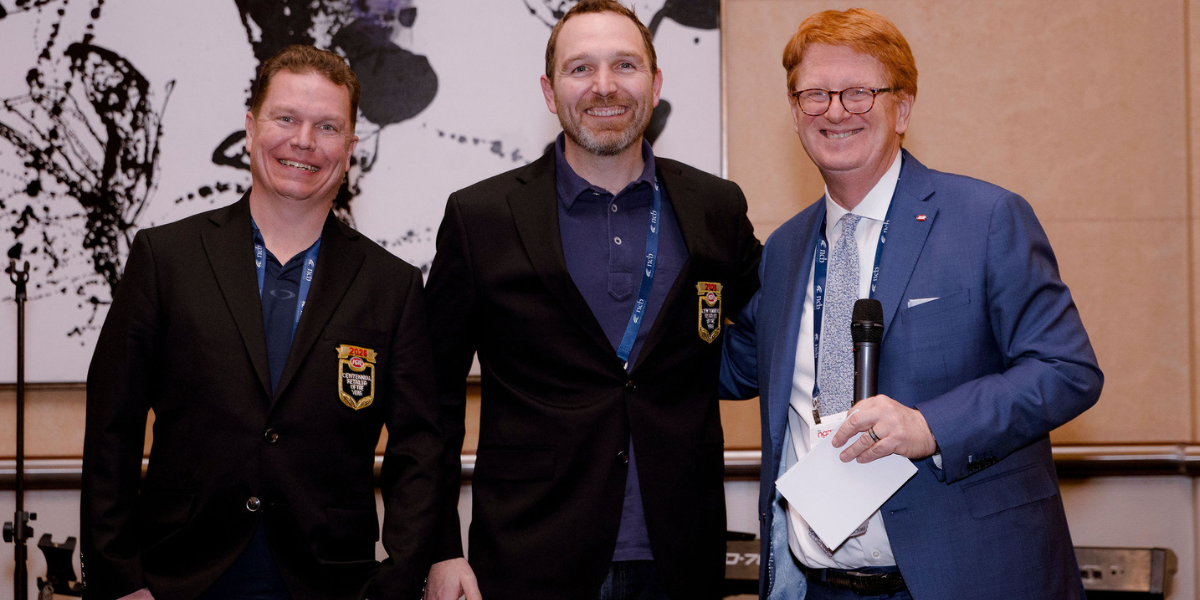
Some stores serve a captive audience. Orcas Island Market has one of the most captive audiences in the country — you can only reach it by boat or small plane — and instead of coasting on that fact, brothers Jacob and Jason Linnes have built a store that would hold its own against any high-end suburban chain.
IGA CEO John Ross spoke with the Linnes brothers in advance of the IGA Centennial Global Rally for his podcast, For the Greater Good. Watch the interview here, or keep reading for the highlights.
Orcas Island Market's roots run deep: it was founded in 1897 by the Linnes brothers' great-great-great-great-grandfather, making Jacob and Jason fifth-generation owners. The store has grown from a couple thousand square feet to 23,000 today, serving a year-round population of 5,000-6,000 that swells to around 12,000 each summer as seasonal residents and ferry-riding visitors arrive.
Running a store on an island means running a store with real logistical complexity: six produce trucks and five wholesaler deliveries a week, all arriving by ferry and needing to be unloaded and organized without chaos in a warehouse that isn't especially large. The brothers split responsibilities to make it work: Jason focuses on maintenance, logistics, and the flow of incoming trucks, while Jacob leads on the people side — culture, HR, and the day-to-day experience in the store.
That division of labor supports a philosophy passed down from their father: take care of what you have, down to the smallest detail. One house rule illustrates it well — no tape is ever used in the store, because there's always a better way to fix or display something without damaging it. That same care shows up in the range of products offered. Rather than simplifying for the sake of easier logistics, Jacob and Jason lean into variety, empowering managers to bring in products they're personally passionate about and saying yes when a regular customer asks for something specific, because that customer is going to see them on the street, not just send an email into the void.
Serving both million-dollar homes and modest budgets out of a single facility could easily push a store toward a lowest-common-denominator approach. Instead, the Linnes brothers have found that their community consistently prioritizes quality, buying less if needed rather than trading down.
Perhaps their most creative move addresses a challenge familiar to any seasonal or resort-market retailer: how to avoid punishing local, year-round residents with tourist season pricing. Borrowing an idea from a retailer share group, the brothers launched a winter gift card program, letting community members buy up to $2,500 in store credit for $2,000 (a 20% discount) during the slower months of January and February. The program eats into already-thin grocery margins, but the brothers view it as a marketing investment in community goodwill, one that gets made up for in the busier summer months without needing to adjust pricing.
For independent grocers navigating tough logistics, seasonal swings, or a wide range of customer needs, Jacob and Jason's story is a reminder that the extra mile — whether it's skipping the tape, stocking the specialty butter, or building a program that puts the community first — is often exactly what turns a remote store into an unforgettable one.
These Stories on Retail Tales
8745 West Higgins Rd. Ste 210
Chicago, IL 60631
Phone: (773) 693-4520
Fax: (773) 693-4533
No Comments Yet
Let us know what you think