Help Isom IGA recover from devasting floods
4 min read
Fuel Costs, Global Conflict, and What It Means for Grocery Prices
Written by John Ross
Mar 26, 2026
Over the past several years, we’ve all been reminded that the grocery business is deeply connected to forces far beyond our stores. Today, ongoing conflict in the Middle East is once again putting pressure on global energy markets, which has direct implications for every retailer in our network and every customer we serve.
I want to take a moment to break down what’s happening, why it matters, and how it may show up in your stores in the weeks and months ahead.
When conflict escalates in the Middle East or in any fuel-producing country, markets react quickly — often within hours — driving up the price of crude oil. That increase flows directly into higher costs for diesel and gasoline.
And while fuel is not the largest single cost in food, it is the most pervasive. The most common element in the price of our food is fuel oil! This includes growing crops and raising livestock; producing fertilizer and animal feed; processing and packaging food; transporting goods across the country; and to a lesser extent, refrigerating products at warehouses and in stores.
In short, when fuel costs rise, they ripple through the entire system.
It’s important to understand that fuel costs don’t translate one-to-one into food prices. Instead, they act as a multiplier across many inputs.
As a general rule:
- Fuel is a critical input across farming, processing, and transportation, though its exact share varies widely by product and supply chain. For some products, fuel-related costs can account for roughly 15–30% of the total cost of food.
- Fuel price increases consistently push food prices higher, though the magnitude varies significantly by category and timing. Sometimes, a sustained 10-15% increase in fuel prices can result in a 2-4% increase in retail food prices.
Some categories are more exposed than others. For example, center store and packaged goods are heavily impacted by processing and packaging energy, while fresh departments like produce are more sensitive to transportation and seasonal growing conditions.
The highest fuel dependency come in meat and dairy where final cost is significantly Impacted by feed costs, refrigeration, and transportation. Beef products in particular tend to feel fuel increases more strongly because energy is required not just to transport the product, but to grow feed, raise animals, and maintain a continuous cold chain. And that is before the product ever hits the refrigerated areas of a grocery store, which of course, adds in fuel costs yet again.
One of the most important questions I am getting asked is, "How quickly do these cost increases show up?" As with all complicated value chains, food has so many moving parts that cost increases do no happen all at once. For the summer season in the U.S., fuel costs for fertilizer and transportation are already built into much of the pricing; for the products yet to be planted or late harvests, high fuel costs will show up more readily.
In the short term, expect to see freight surcharges and short-term costs begin to increase almost immediately. Shortly thereafter, processors will likely begin pushing through higher costs, which will flow through to delivered goods in the next couple of months. But the real increases are likely to hit mid-summer as increasing fuel prices flow through the value chain.
Assume that for every 10% fuel increase, food prices can increase 2-3%, based on historical averages. Note this is on top of existing food inflation in grocery, which is running about 2.9% this year.
Here are a few things to keep in mind. First, if fuel prices remain high, costs will build over time. Early increases may be subtle, but they tend to compound. Beef and dairy will see higher costs than other items due to cold chain costs, but even packaged goods will rise due to the high energy costs in processing.
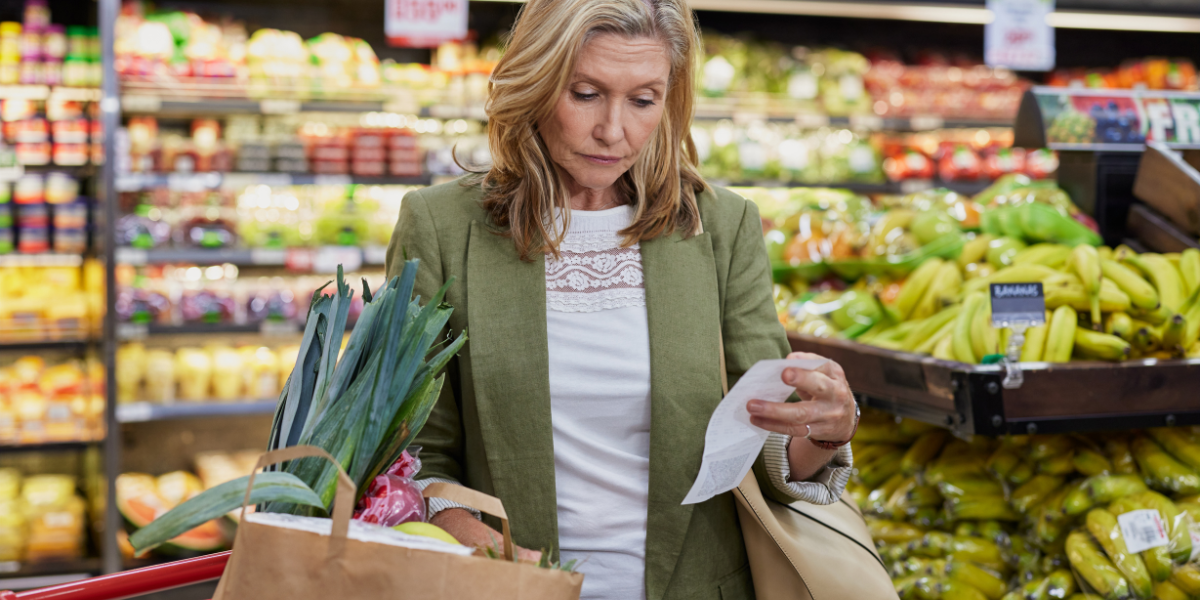
If the energy markets continue to be disrupted, then shopper frustration is likely to rise. And even though shoppers are aware of global events, they don’t think through a bunch of geopolitical issues when ground meat is a dollar more a pound than it used to be. Remember that today’s shoppers have seen a 25% or more increase in their food bill since the start of the decade.
So, what should we do? I recommend starting with these four tactics:
- Clear, honest communication about why prices are rising is our best short-term tactic. Start with your store associates, who need to understand why prices are going up. They need to be trained so they can answer shopper concerns, with phrases like, “We are doing everything we can to hold prices low, but when fuel prices go up, our costs go up.” Look for IGA to release a mini-training module on explaining rising prices and in-store sign kits that will help shoppers understand what’s going on right now.
- Fuel surcharges are happening now and if the conflict continues, expect to see sustained price increases. This is where smart pricing strategies can help: staying low on items that are value-visible to shoppers, and taking judicious price increases on less price-sensitive items helps you keep store margins stable without shoppers panicking. If you don’t use a price optimization system in your store today, consider what’s available from vendors like BRdata, who offer tools designed for fluctuating price markets like we are seeing now, or EmpowerFresh, whose tools help optimize produce inventory. Speak with your wholesaler about their price optimization offerings, and see what services our other Red Oval Partners have available.
- Drive margin per basket using promotions that drive multiples. BOGOs, bundles, etc. might have lower margins per item in the short run, but drive units and total revenue. This lets the shopper know you are keeping prices low when the cost of everything in the world is getting higher.
- Use private label endcaps, dump bins, walls of values, and promotions to help families deal with yet another price shock to their weekly budgets. Leverage our loyalty and digital circular technology partners (AppCard, Flipp, Ideal by DesignHouse, Red Pepper Digital, RSA America) for even more offers and savings opportunities.
With only a 2% net margin (on a good day), balancing cost pass-through with customer sensitivity will remain critical for independent retailers. Not every increase needs to be passed on immediately, but sustained cost pressure will require adjustments. If we talk to shoppers honestly, they will appreciate us.
While global conflicts are beyond our control, how we respond is not. The independent grocery industry has proven time and again that it can adapt to volatility, whether from pandemics, supply chain disruptions, or geopolitical events.
Fuel costs are a foundational input to our business. When they rise, the effects are widespread but also predictable. By understanding the mechanics behind these changes, we can make better decisions, communicate more effectively, and continue to serve our communities with confidence.
You May Also Like
These Stories on From the Desk of

Jul 22, 2026, 4:18:03 PM |
3 min read
Jul 13, 2026, 11:33:16 AM |
1 min read

Jun 18, 2026, 2:37:31 PM |
4 min read
No Comments Yet
Let us know what you think