Help Isom IGA recover from devasting floods
4 min read
Shopper Matters: eCommerce No Longer Optional for Independents
Written by Jessica Vician
Jan 7, 2026
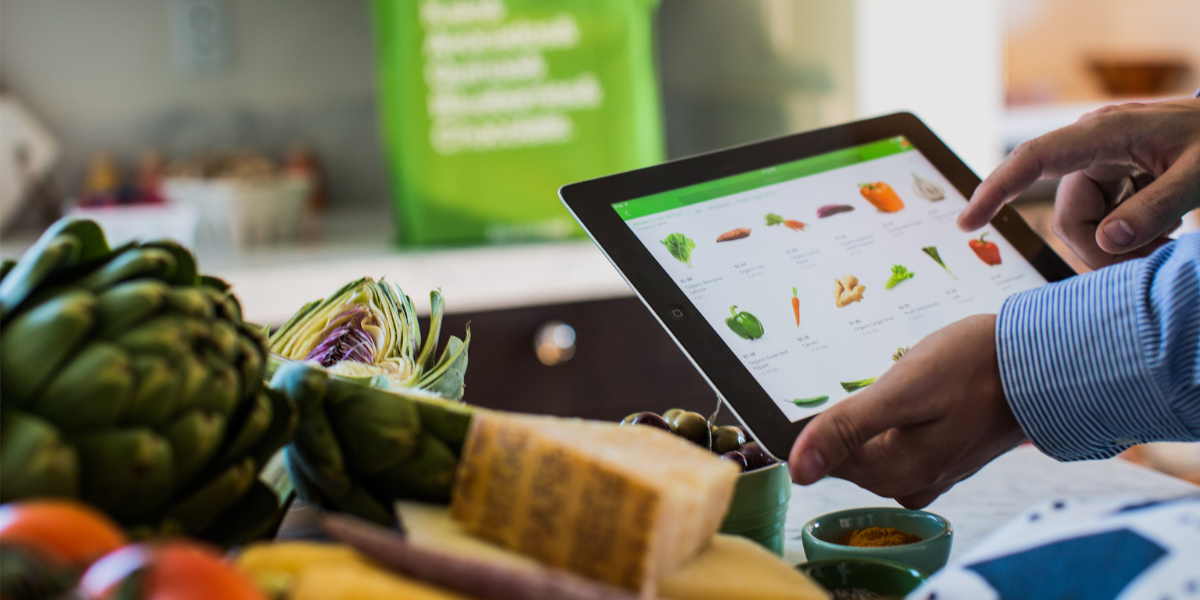
Grocery eCommerce has moved from “nice to have” to a mission-critical pillar of long-term retail strategy. That was the clear message from the latest Shopper Matters podcast episode, where Host and IGA VP Brand Development Michael La Kier spoke with Instacart General Manager, Retail Partnerships (Independent Grocery and Mid-Market) Nick Nickitas.
Together, they explored how independent grocers can turn eCommerce from a cost center into a competitive advantage, unlock new revenue through retail media, and use emerging technologies like AI to better serve shoppers and communities.
Watch the episode below, listen to it on your favorite streaming platform, or keep reading for a recap of the most important insights and what they mean for IGA retailers and wholesalers today.
Omni-Channel Shoppers Are Just… Shoppers
One of the foundational themes of the conversation was that the distinction between “online” and “in-store” customers no longer exists.
“Traditionally folks have thought there was an online customer and an in-store customer. The reality is they’re the same,” Nickitas explained. “Customers shift between [channels] based on what’s going on in their lives or the season of the year.”
For independent grocers, this reinforces a critical truth: eCommerce must reflect the same strengths that differentiate your stores, like local merchandising, fresh expertise, and personalized service.
Nickitas emphasized that strong digital experiences mirror the in-store experience while adding convenience and personalization, such as:
- Relevant product recommendations
- Smart substitutions
- Dietary filtering (organic, gluten-free, kosher, etc.)
- Family shopping with shared carts
The result? Larger baskets, higher satisfaction, and more loyal shoppers.
The Biggest eCommerce Mistake: Skipping the Basics
When asked about the most common mistakes grocers make when launching eCommerce, Nickitas pointed to digital readiness.
“eCommerce is really part of an overall digital strategy,” he said. “It’s underpinned by a website, a mobile app, a digital weekly ad. Then eCommerce creates the transactable element.”
Many independent retailers believe they need massive teams or custom-built platforms to compete. According to Nickitas, that couldn’t be further from the truth.
“The tooling that’s happened over the last decade has made it so that single-store operators can compete in ways they never have before.”
In other words, partnerships — not building everything alone — are what level the playing field.
Retail Media: A Game-Changer for Independent Grocers
Retail media emerged as one of the most powerful and transformative topics in the episode.
“Retail media is probably the most powerful force in the grocery universe right now,” Nickitas said, comparing its impact to how analytics revolutionized professional sports.
Historically, technology and eCommerce were seen as cost centers in grocery. Retail media changes that equation by allowing independents to monetize the digital shelf and attract national brand dollars.
Nickitas shared compelling real-world examples:
- Independent retailers doubling or tripling ad revenue year-over-year
- Some stores covering 60-70% of their eCommerce fees through retail media
- National brands actively shifting budgets toward the independent channel
“For the very first time in independent grocery, national brands are committing dollars to get access to grocers’ customers,” Nickitas noted.
Scale is key, which is that’s where IGA, wholesalers, and aggregation play a vital role.
Why Scale and Simplicity Matter to Brands
La Kier reinforced a critical reality brands face today: complexity is the enemy of investment.
“If it becomes complicated, they’re not going to do it,” he said.
Nickitas echoed that sentiment, explaining that brands want independent grocery to be just as easy to buy as large national chains.
“It’s got to be as easy to send a dollar to an independent as it is to send it to a national chain.”
Platforms like Instacart, and partnerships with IGA and wholesalers, help remove friction, making it easier for brands to invest while ensuring independents get their fair share.
AI Is Finally Practical (and Valuable)
The conversation also tackled artificial intelligence, cutting through the hype to focus on real use cases delivering value today.
Nickitas outlined several areas where AI is already helping independent grocers:
- Personalized shopping experiences online and in-store
- Catalog enrichment to improve item findability and fill rates
- Smarter substitutions and recommendations to reduce friction
- In-store intelligence, using computer vision to improve inventory accuracy and replenishment
“Found rate and fill rate are everything,” Nickitas said. “If a shopper can’t find an item or it doesn’t get filled, that’s a negative experience—and they don’t come back.”
Perhaps most compelling was Nickitas' vision of AI as a “household quartermaster,” helping shoppers answer the daily question of what’s for dinner, and making independents indispensable in that process.
Measuring What Matters
With so much data available, both speakers emphasized the importance of focusing on actionable insights, not dashboards for dashboards’ sake.
Key metrics retailers should watch include:
- Basket size and sales growth
- Percentage of eCommerce fees offset by retail media
- Catalog image coverage and accuracy
- Performance relative to peer benchmarks
“Retailers don’t buy from vendors — they buy from other retailers,” Nickitas said, underscoring the value of shared best practices and peer benchmarking.
One Action Every Independent Grocer Should Take
When asked for a single action grocers should prioritize heading into 2026, Nickitas' answer was direct:
“They need to be offering eCommerce for their stores.”
Not just for delivery convenience, but because eCommerce is the gateway to retail media, national brand investment, and long-term competitiveness.
“With us, we’re putting you in that same race car as the big guys,” Nickitas said. “Helping you perform at the level of guest expectation that shoppers have today.”
Key Takeaways for IGA Retailers & Wholesalers
- eCommerce is no longer optional — it’s foundational
- Omni-channel shoppers expect consistency, not separation
- Retail media unlocks new profit pools for independents
- Scale and partnerships matter more than size
- AI is already improving sales, service, and efficiency
- The independent channel is underleveraged, and brands are noticing
As La Kier summarized, independence doesn’t mean going it alone. With the right partners, platforms, and focus, independent grocers are well-positioned to compete and win in the next era of grocery.
Previous Story
← AppCard Welcomes ShoptoCook to the Family
You May Also Like
These Stories on Shopper Matters
Jun 2, 2026, 5:31:03 PM |
3 min read
Mar 26, 2026, 4:27:10 PM |
2 min read
Feb 18, 2026, 2:11:18 PM |
3 min read
No Comments Yet
Let us know what you think