Help Isom IGA recover from devasting floods
3 min read
What 5 Early 2026 Grocery Trends Mean for Independent Retailers
Written by Jessica Vician
Mar 11, 2026
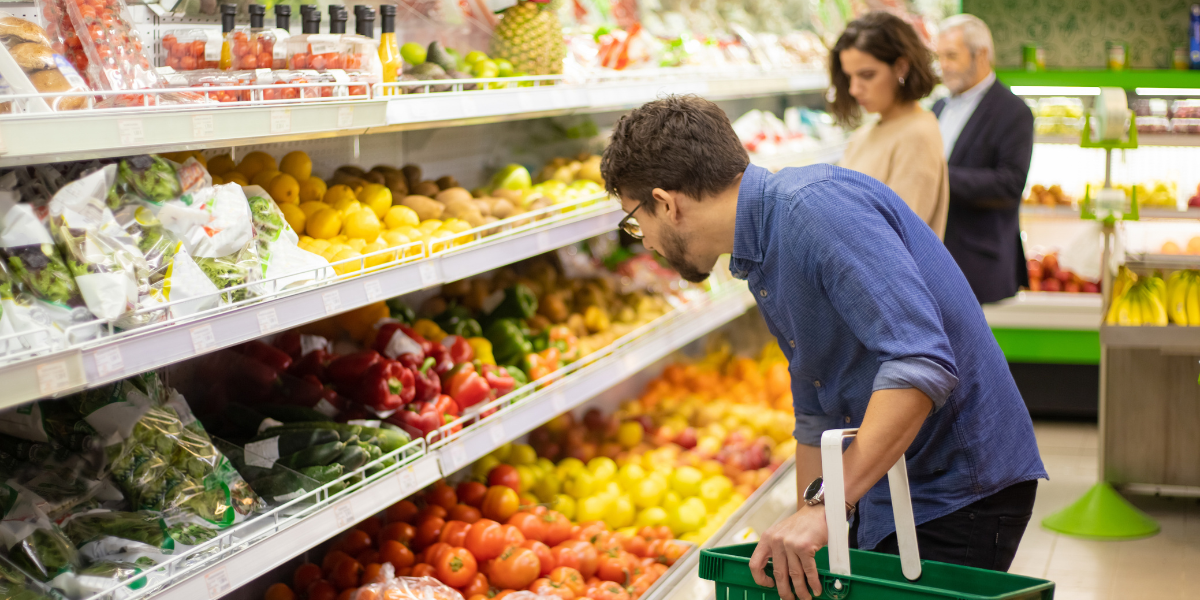
The start of a new year often brings uncertainty for retailers. When grocery sales soften for a week or two in January, it can raise concerns about consumer spending and demand.
But according to a recent NielsenIQ (NIQ) report, short-term fluctuations at the start of the year don’t tell the full story. Instead, they reflect a shift in consumer mindset — one that independent grocers should understand and plan for.
Keep reading to learn what the latest data reveals and how independent grocery retailers can turn these insights into opportunity.
1. Early-Year Softness Reflects Intentional Consumer Behavior
After the holidays, many shoppers enter the new year with financial and health-related goals. That often results in a short-term pullback in spending, particularly in early January.
As NIQ explained, “Two soft weeks don’t define a year — especially at the start of one. Early-January demand reflects intentional behavior: consumers pulling back to reset, save more, and make healthier choices, not stepping away from the market.”
In other words, shoppers aren’t abandoning grocery purchases; they’re simply becoming more selective and deliberate. Demand often rebounds quickly when conditions change.
“When you look at the full view, demand doesn’t disappear — it pauses, then re-engages quickly when conditions change.”
What This Means for Independent Grocers
Independent retailers should resist the urge to react too quickly to short-term data. Instead, NIQ recommends they:
- Focus on longer-term trends, not weekly fluctuations
- Use historical January patterns when forecasting demand
- Avoid major assortment or pricing changes based on brief slowdowns
2. Weather Can Trigger Sudden Demand Surges
The NIQ report also highlights how quickly demand can shift. A late-January winter storm caused food and beverage sales to jump 18% in a single week.
In the Northeast, several categories saw significant growth:
- Fresh meat: +45%
- Salty snacks: +42%
- Prepared foods: +38%
- Beverages: +35%
- Vegetables: +35%
These spikes demonstrate how quickly shoppers stock up when circumstances change.
According to NIQ, “During major weather events, preparedness is the dividing line between empty shelves and frustrated shoppers versus in-stock leadership and share capture.”
What This Means for Independent Grocers
Preparation can make all the difference. Independent grocers often have an advantage here because of their proximity to the communities they serve. Consider:
- Creating storm-readiness inventory plans for key categories like beverages, snacks, meat, and prepared foods
- Strengthening relationships with local vendors and distributors for faster replenishment
- Using weather forecasts as signals to adjust inventory levels before demand spikes
3. Health Goals Are Influencing Grocery Purchases
Consumer wellness goals are another major force shaping grocery demand in 2026. Nearly half of consumers entered the year with a goal to eat healthier, and many are focusing on specific behaviors like:
- Drinking more water
- Eating more fruits and vegetables
- Cutting back on sugar
- Cooking at home more
- Increasing protein intake
But while motivation is high, consistency can be a challenge. Many shoppers say they are making progress, but not always consistently.
Cost and convenience are major barriers, with consumers noting these top obstacles: cravings, cost of healthy food, and stress eating.
What This Means for Independent Grocers
Retailers can play an important role in helping shoppers stay on track with these tactics:
- Highlight affordable healthy meal solutions
- Bundle ingredients for simple, healthy meals
- Promote fiber-rich, protein-forward products
- Feature healthier snacks in high-visibility locations
Retailers that make healthy choices easier will build stronger customer loyalty.
4. Value and Wellness Must Go Hand in Hand
Today’s shoppers are balancing two priorities: health and affordability.
NIQ described this as a growing “wellness-value tension” shaping food decisions.
“Consumers expect wellness and value to coexist…products must clearly justify their benefit, price, and simplicity to stay in regular rotation," NIQ said.
Even in a price-sensitive environment, shoppers are still willing to pay for products that align with their values. In fact, 37% of consumers say they are willing to pay more for sustainably-produced products, including many SNAP shoppers.
What This Means for Independent Grocers
Independent retailers can differentiate by emphasizing value beyond price. Opportunities include:
- Highlighting local and sustainably sourced products
- Demonstrating value through meal solutions and recipes
- Educating shoppers on product benefits
- Offering varied price tiers and pack sizes
5. Supporting SNAP Shoppers Creates Opportunity
The report also points to an important insight: SNAP households are highly motivated to eat healthier. However, affordability and access remain barriers.
“Healthy eating intent isn’t the challenge for SNAP households — it’s feasibility,” NIQ said.
When stores make healthy foods accessible and affordable, they unlock stronger demand across the entire community.
What This Means for Independent Grocers
Consider strategies that make healthy choices more attainable:
- Promote SNAP-eligible healthy products
- Use shelf tags to highlight budget-friendly nutritious options
- Offer simple recipes using affordable ingredients
- Create produce promotions that improve accessibility
The Independent Grocer Advantage
Ultimately, the biggest takeaway from the NIQ report is that success in today’s grocery environment requires understanding consumer context, not just sales data.
As the report notes, “The biggest competitive advantage in FMCG isn’t reaction—it’s interpretation.”
Independent grocers are uniquely positioned to interpret those signals. Their close connection to customers, flexibility in merchandising, and ability to act quickly give them an advantage in a fast-changing retail landscape.
The early weeks of 2026 highlight an important lesson: short-term fluctuations don’t define the year ahead. Consumers are still shopping, but they’re doing it with more intention. Independent grocers who anticipate demand shifts, support wellness goals, and deliver strong value will be well positioned to thrive in the months ahead.
You May Also Like
These Stories on Feature Story
Jul 22, 2026, 7:38:08 PM |
5 min read

Jul 13, 2026, 11:35:26 AM |
4 min read
No Comments Yet
Let us know what you think