Help Isom IGA recover from devasting floods
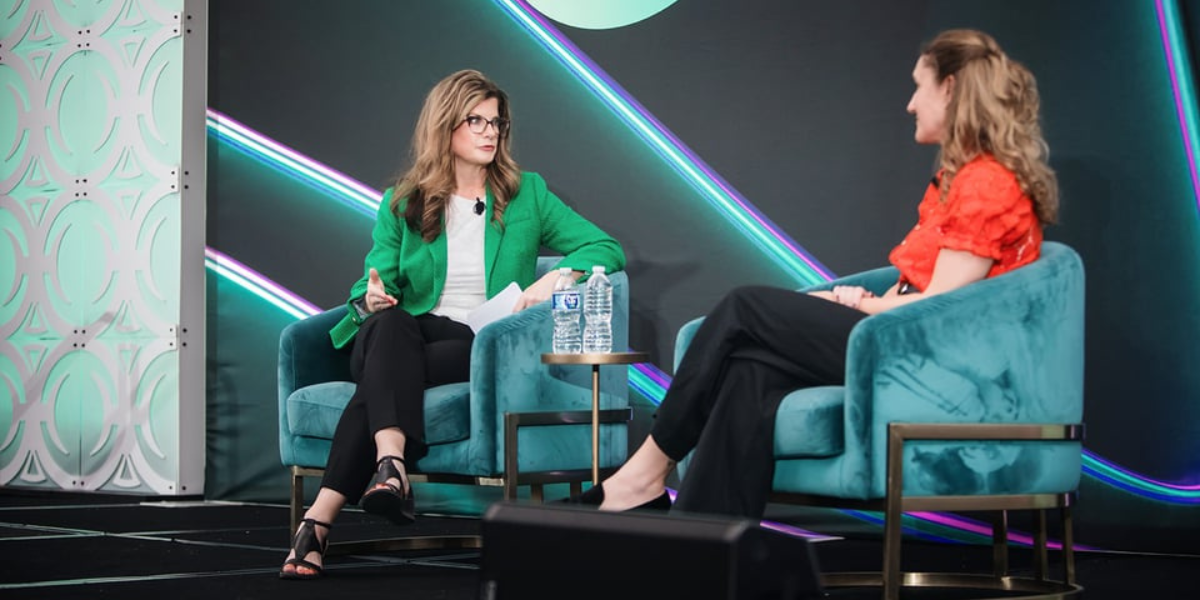
Recently I had the pleasure of speaking at GroceryTech in Charlotte, North Carolina, joining Progressive Grocer Editor-in-Chief Emily Crowe for a conversation about how independent grocers are innovating and scaling without losing what makes them special. The conversation focused on the real-world challenges and opportunities facing independents today, from digital transformation to loyalty, personalization, and the technology decisions that can make or break a small operator.
At IGA, we're celebrating our 100th anniversary this year. The Alliance was founded to help independent grocers fight the national chains and honestly, we won that fight. But the competition has only gotten more complex since 1926. As the largest voluntary association of retailers, with 2,600 stores domestically and 7,500 globally, I sit at the intersection of our retailers, our CPG manufacturer partners, and our technology ecosystem. That vantage point has taught me a lot about what independents get right, and where the industry get independents wrong. Keep reading for the key discussion points from my conversation with Emily Crowe about independents and technology.
The Myth that Smaller Means Behind
One of the biggest misconceptions I encounter is that independent grocers are lagging on innovation simply because they're smaller. In my experience, the opposite is often true.
Our independents are usually closer to their shoppers and they don't have a lot of bureaucracy to fight through, so they can often be very agile and quick to react. What they need isn't necessarily the newest technology. They need technology that is actionable and solves problems. Whether that's improving the shopper experience through personalized offers, helping customers with meal solutions, or making store teams more efficient in their ordering, the question for every technology decision should always be, "Does this solve a real problem?"
Digital Transformation is not a Technology Project
If there's one myth I'd retire tomorrow, it's the idea that digital transformation is primarily a technology initiative. It isn't. It's an organizational and cultural transformation. The worst thing you can do is implement a program at your store instead of with your store.
Getting store operations teams involved early — giving them a voice, bringing them along on the journey — is what separates the retailers who succeed from those who stall out. Technology without buy-in from the people running the store every day is a recipe for expensive shelf dust.
Where the ROI is Actually Happening
The highest returns I'm seeing today live at the intersection of personalization and efficiency — and in the best cases, both at once.
On the personalization side, truly understanding your shopper through your loyalty program and customer data platform is transformative. If someone comes in every Tuesday for a stock-up shop and consistently buys gluten-free products, you should be reaching them on Monday with a relevant, timely offer, not blasting them with a generic coupon for an item they'd buy anyway. Don't waste promotional spend on the loyal shopper who's going to put that item in the cart regardless. Precision matters.
On the efficiency side, we've seen meaningful gains through store-level analytics. We work with a third-party vendor, BRdata, that has an AI module called Ask Ada, which lets store teams query their own data conversationally. For example, an employee can ask, "Ada, show me the best-selling produce items last week," or, "Which items have shown the highest shrink in the last eight weeks," or, "What are our gross margin gaps in packaged meat?" That kind of accessible, actionable intelligence helps operators make smarter decisions faster, without needing a data science team.
Loyalty is Evolving Beyond Discounts
Loyalty programs are becoming less about transactions and more about relationships. The best programs help retailers understand behavior, not just deliver points and coupons. That means understanding the omnichannel shopper who browses online and buys in-store, and accounting for behavior shifts like the changes we're seeing driven by GLP-1 medications. When eating habits change at scale, your communication with those shoppers needs to change, too. The retailers paying attention to those signals and adjusting accordingly are the ones building genuine loyalty, not just transactional repeat visits.
The Real Barrier: Bandwidth, not Willingness
When I talk about barriers to innovation for independents, the true issue is bandwidth. So often I will call a store and the owner says they can't talk right now because the meat cutter called in sick and they're back there cutting meat themselves. Our owners and store personnel are incredibly busy doing what they do best: running their business, helping their shoppers, and making sure their store is stocked and well-run. They don’t always have time to research technology, so innovation can feel onerous and risky when margins are slim, labor is a constant battle, and operators have been burned by technology that was overpromised and underdelivered. There's real technology fatigue out there, and it's earned.
Part of what IGA does is help operators clear that psychological hurdle. Many independents don't have time to come to conferences or track the latest technology trends, so they rely on us to do the vetting, make the introductions, and provide a measure of reassurance that it's going to be okay. It can be very lonely to be an independent out there. We try to make sure they don't have to navigate these decisions alone.
The Questions You Should Ask Vendors
Too many vendor conversations get stuck on features and bells and whistles. The questions that actually matter are:
- How quickly can my stores operationalize this?
- What does adoption look like in practice?
- What measurable outcomes have you seen for retailers of our size?
- Who owns the data?
- How does this integrate with our existing workflows?
Saying no to the wrong technology is just as important as saying yes to the right technology, and that framing should guide every conversation you have with a vendor.
The Opportunity Independents Keep Underselling
Independent grocers are often the lifeblood of their communities; sometimes the only store in town, sponsoring Little Leagues, and showing up when it counts. And yet they tend to be remarkably humble about it. They're very, very crucial to their communities, and often they don't tell their stories. That's underselling a genuine differentiation opportunity that the national chains simply cannot replicate. Owning that story, telling it loudly and consistently, is one of the biggest untapped competitive advantages I see.
Looking Ahead: Experience Powered by Data and Automation
In three to five years, I don't think the question will be data versus automation versus experience. It will be experience powered by data and automation. Customers won't care what technology sits behind their shopping trip. They'll only notice if it makes their life easier or if it misses the mark.
And as agentic AI begins to help households manage their shopping, retailers will need to think seriously about the quality and structure of their data. That infrastructure becomes foundational to how AI agents interact with a retailer's website and ecosystem, and the operators who get ahead of that now will have a meaningful advantage.
The independents who will win are the ones who start with a clearly defined outcome, "What do you want to be true?" and work backwards from there. You won't have 100% of the information you need when it's time to decide, but make the call anyway. If you're waiting for perfect information, you're already moving too slow.
Previous Story
← Turn Grilling Season Into Your Biggest Summer Yet!
You May Also Like
These Stories on From the Desk of

Jul 22, 2026, 4:18:03 PM |
3 min read
Jul 13, 2026, 11:33:16 AM |
1 min read

Jun 18, 2026, 2:37:31 PM |
4 min read
No Comments Yet
Let us know what you think